Gastric Bypass (Stomach Bypass)
Gastric bypass is a dual-effect obesity surgery that reduces stomach volume and shortens the intestinal path to decrease nutrient absorption. A small stomach pouch is created and connected to the small intestine. Thus, both less food is eaten and fewer calories are absorbed. This method is an effective option especially for individuals with advanced obesity and those struggling with metabolic diseases such as type 2 diabetes. It creates hormonal effects on appetite and strengthens metabolic balance along with weight loss. When the postoperative follow-up is maintained with nutritional education and psychological support, permanent success can be achieved.
What is Gastric Bypass?
Gastric bypass is a surgical procedure primarily used in the treatment of severe obesity and obesity-related metabolic diseases. Known medically as “Roux-en-Y Gastric Bypass,” this method both reduces stomach volume and shortens the route of food through the intestines, thereby decreasing absorption. Thanks to this dual mechanism, less food is consumed, and a portion of the ingested calories is excreted without being absorbed by the body.
Gastric bypass is a comprehensive treatment method that can extend life expectancy, reduce health risks, and help restore metabolic balance. It plays a significant role in the improvement of many chronic conditions such as type 2 diabetes, hypertension, sleep apnea, and high cholesterol. The operation does not merely serve weight loss; it can also initiate a profound transformation in the individual’s psychological and social life. Many people struggling with body image issues related to weight report increased self-confidence and positive changes in their social interactions after the surgery.
How is Gastric Bypass Performed?
Gastric bypass surgery is typically performed using the laparoscopic method, i.e., with a closed technique. Small incisions are made in the abdominal area to insert surgical instruments and a camera. This method offers advantages such as less bleeding, less pain, and a faster recovery period. The duration of the operation generally ranges from 2 to 4 hours, depending on the patient’s condition and the surgeon’s experience.
In the first stage of the surgery, a small pouch (approximately 30-50 ml) is created from the upper part of the stomach. This small stomach pouch is then directly connected to a specific part of the small intestine. Thus, both the stomach volume is reduced, and the path of food through the digestive system is shortened, limiting absorption.
The post-operative recovery process progresses comfortably thanks to the advantages of the laparoscopic method. Patients are usually mobilized within the first 4 to 6 hours after surgery and can begin oral fluid intake shortly thereafter. Early mobilization is crucial in reducing the risk of complications such as clot formation.
2-4 Hours
1-2 Weeks
5 Days
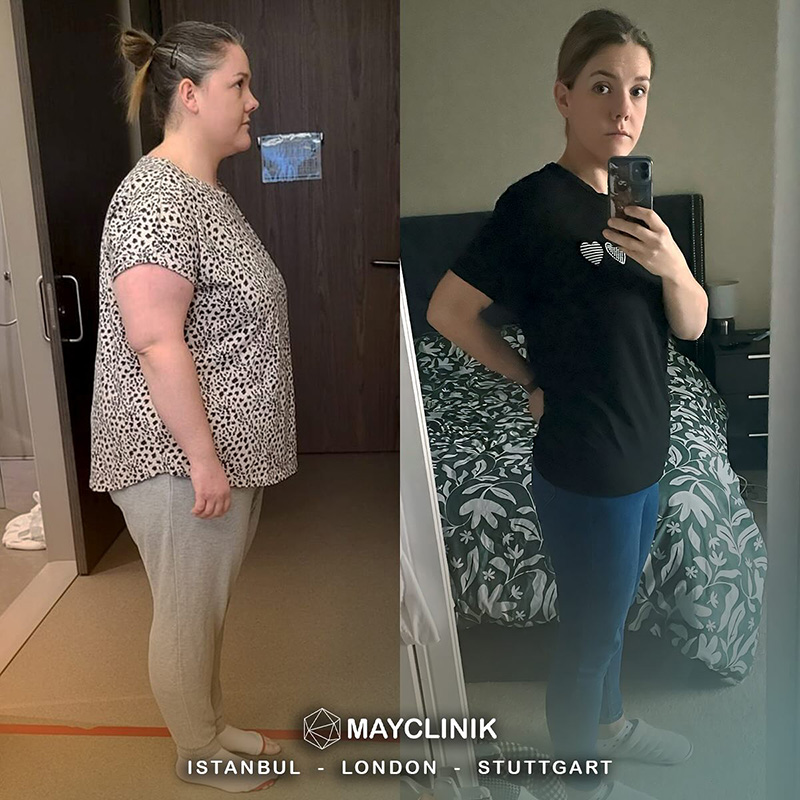
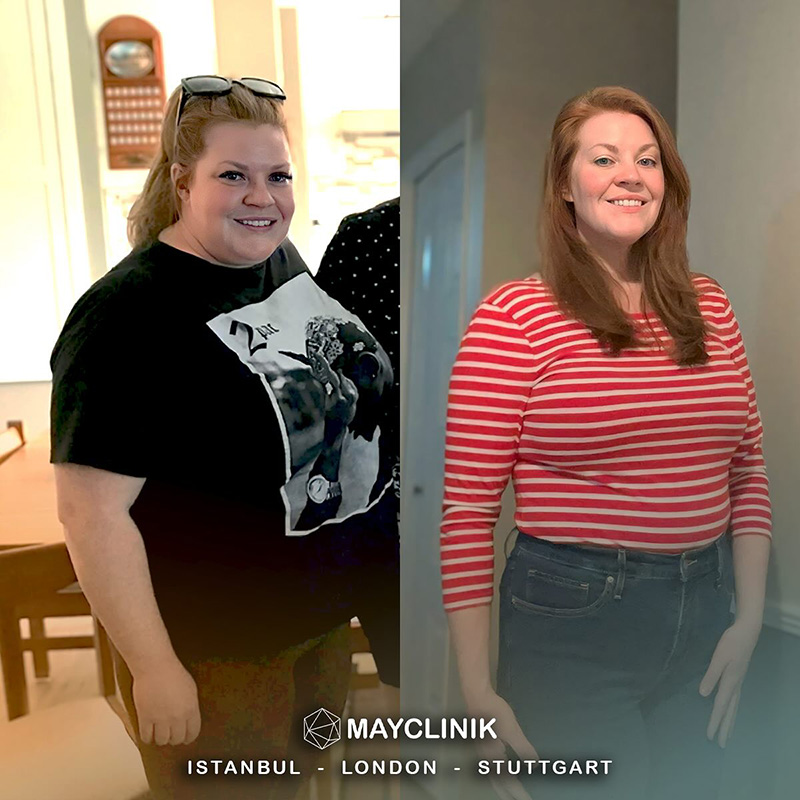
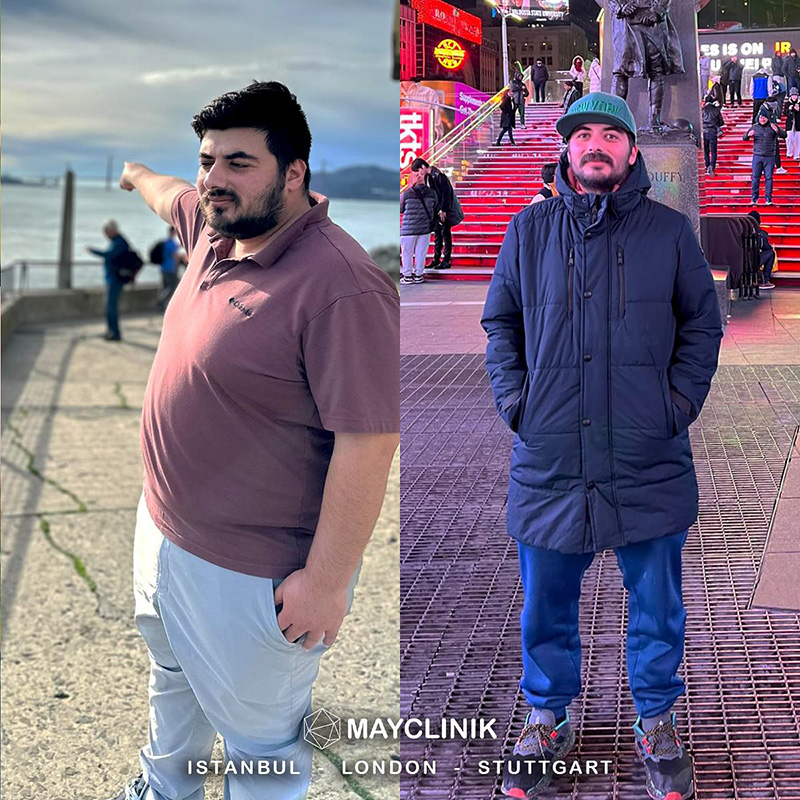
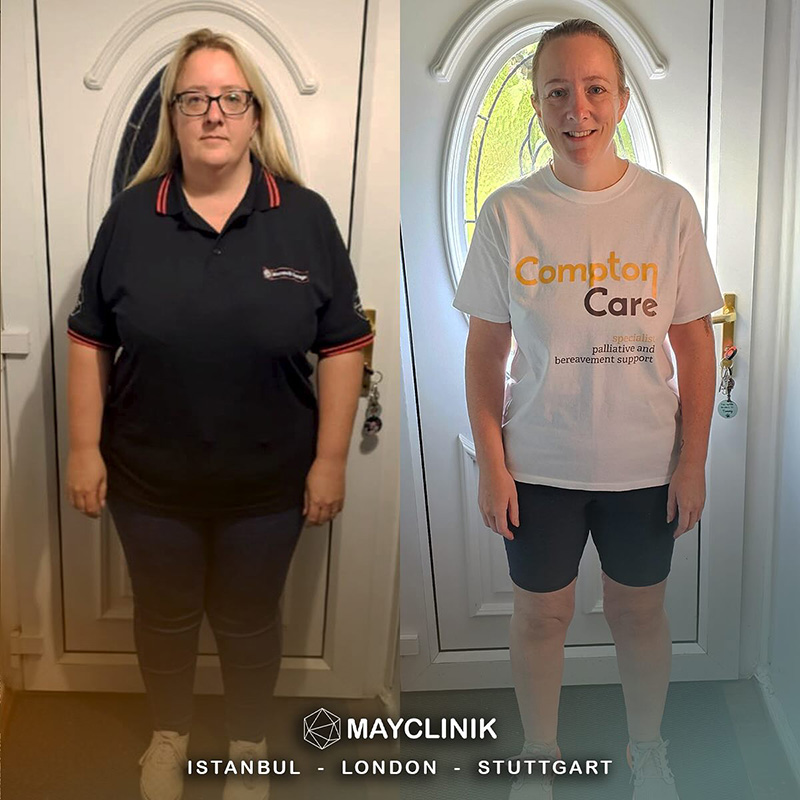
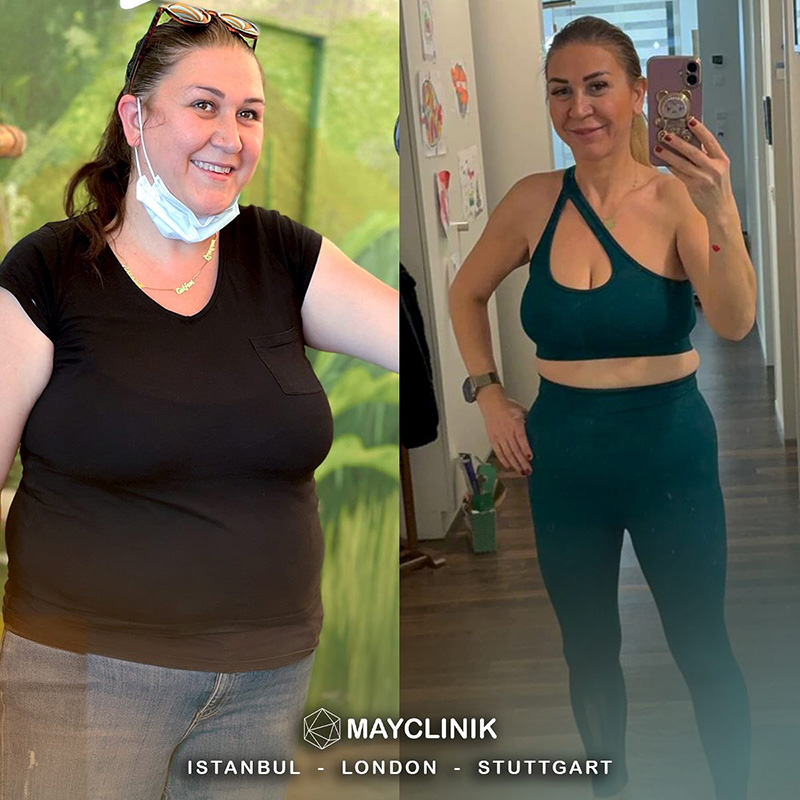
Gastric Bypass - Before and After
Features of Gastric Bypass
Gastric bypass surgery is not merely a weight loss method but a multifaceted metabolic intervention that stands out with its wide-ranging effects. During the surgery, both the stomach volume is reduced, and the intestinal passage is rearranged. This dual mechanism limits the amount of food intake and reduces absorption. As a result, a body weight loss of 60% to 80% can be observed within the first 12 to 18 months following the surgery.
The surgery also has positive effects on glucose metabolism, aiding in the control of type 2 diabetes and significantly reducing the need for insulin. The suppression of the ghrelin hormone notably decreases appetite, naturally leading individuals to develop the habit of eating less. When combined with lifestyle adjustments, these post-surgical changes can lead to permanent results in the long term.
Due to hormonal changes, the feeling of satiety occurs earlier, enabling individuals to feel full with smaller portions and making it easier to control eating behaviors. Furthermore, changes in bile acids and gut microbiota also create positive effects on metabolism. Gastric bypass, with its multiple effects, provides a regenerative impact on physical, metabolic, and hormonal levels.
At Mayclinik, gastric bypass surgeries are performed with high precision using Signia technology. Throughout the process, professional dietitian support helps patients manage both their physical condition and eating habits.

Who is Gastric Bypass Surgery For?
Gastric bypass surgery is primarily suitable for individuals diagnosed with severe obesity whose quality of life has significantly deteriorated. However, it is not the first choice for every obese individual. Eligibility for the surgery is determined on a case-by-case basis following detailed medical evaluations. Generally, individuals who meet the following criteria are considered suitable candidates for gastric bypass surgery:
- Individuals with a Body Mass Index (BMI) of 40 or above,
- Individuals with a BMI between 35-40 who also suffer from comorbidities such as type 2 diabetes, hypertension, or sleep apnea,
- Those who have been unsuccessful in losing weight through diet, exercise, and medication,
- Individuals who are psychologically capable of adapting to the surgical process.
Additionally, gastric bypass can be a long-term solution for young individuals who have developed metabolic problems due to obesity. There is no absolute age limit for surgery. However, factors such as the patient’s developmental stage, hormonal balance, and potential for post-operative compliance are carefully considered before making a decision.
Postoperative Phase of Gastric Bypass
After the surgery, patients are kept under observation in the hospital for the first few days. Initially, only clear liquids are consumed. The diet progresses gradually from pureed foods to soft and solid foods. Each phase is regulated under the supervision of a dietitian.
Besides nutrition, maintaining psychological support and motivation is also a crucial part of the process. Some patients may experience issues such as sudden weight loss, changes in body image, and social adaptation. In such cases, expert support contributes to managing the process more healthily.
For long-term successful outcomes, it is necessary to focus not only on physical recovery but also on behavioral changes. Awareness of eating, managing emotional eating triggers, and participating in support groups strengthen the psychological aspect of the process. When nutritional supplements are used regularly, the risk of complications is significantly reduced. The patient’s regular self-monitoring and seeking professional help when needed increase the sustainability of the achieved results.
Gastric Bypass Prices
Since gastric bypass surgery is planned individually, it is not possible to provide a fixed cost. Many factors, such as the technique to be used, the patient’s health status, accompanying diseases, the duration of the operation, and the surgeon’s experience, affect the overall cost.
Some hospitals and healthcare centers do not limit the surgical process to mere technical application. They also support it with comprehensive services such as nutrition, psychological support, and exercise counseling. In such a structure, gastric bypass surgery offers patients not just a one-time procedure but a long-term transformation platform.
A successful gastric bypass surgery can open the door to a healthier, more active, and more productive life in addition to weight loss. Therefore, the operation should be considered an important investment in health.
Frequently Asked Questions About Gastric Bypass
Although the duration of gastric bypass surgery may vary depending on the surgeon’s experience, the patient's anatomical structure, and potential intestinal adhesions, it typically lasts between 2 and 4 hours. The length of the procedure depends on the technical details involved in reshaping the stomach and small intestine. The upper portion of the stomach is separated into a small pouch and directly connected to the small intestine. This reduces the stomach volume and decreases nutrient absorption. The surgery is mostly performed using a laparoscopic (minimally invasive) approach.
Laparoscopic surgery is conducted through small incisions made in the abdominal area and offers advantages such as reduced blood loss, shorter hospital stays, and quicker recovery. During the procedure, advanced technological devices, stapler systems, and high-precision camera equipment are used. If the patient has had previous abdominal surgeries, has adhesions around the stomach, or suffers from metabolic disorders, the operation may take longer.
Although the weight loss process after gastric bypass surgery varies from person to person, it is typically rapid during the first few months and then becomes more gradual. Generally, significant weight loss occurs within the first 3–6 months following the procedure. By the end of the first year, patients can lose 60% to 80% of their excess weight. This percentage may vary depending on the patient’s metabolism, age, activity level, and post-surgical lifestyle.
In the initial weeks following surgery, a liquid and puréed diet helps the patient adapt to the reduced stomach size. During this phase, the body uses stored fat to meet energy needs. As weight loss accelerates during this period, strict dietary adherence and proper hydration are essential. Most of the weight lost in the early months consists of fat tissue, along with some water and glycogen loss.
After the first year, weight loss slows, but with healthy eating and regular exercise, patients can continue to lose weight. Some individuals may experience plateau phases, where weight loss temporarily stalls. These phases are the body’s way of adjusting to the new weight and are generally temporary. Long-term success depends on the patient's ability to maintain their new lifestyle. Gastric bypass offers a powerful start, but lasting success is shaped by discipline.
Yes, it is possible to regain weight after gastric bypass surgery. However, this is entirely dependent on the patient's lifestyle choices. While rapid weight loss in the early post-operative period is motivating, lasting success requires permanent changes in habits. Weight gain can occur especially after the second year due to physical inactivity, poor eating habits, and emotional eating.
Gastric bypass reduces both stomach volume and nutrient absorption. However, the stomach is a stretchable organ, and over time its capacity may increase. Returning to old eating behaviors can therefore lead to weight gain. Additionally, overconsumption of carbohydrates and high-calorie liquids can contribute to regaining weight.
To prevent this, patients should adhere strictly to post-operative dietary guidelines, engage in regular physical activity, and seek psychological support when needed. In some cases, hormonal imbalances or other medical conditions contributing to weight gain should also be evaluated.
Post-operative nutrition after gastric bypass is critically important for safe and effective results. Because the stomach volume is reduced and nutrient absorption is altered, both physical and biochemical needs must be reevaluated. During the first week, patients follow a clear liquid diet, including water, broth, and sugar-free compote. These should be consumed slowly and in small sips to avoid overloading the stomach.
During weeks two and three, soft and puréed foods are introduced, such as boiled vegetables, yogurt, soft eggs, and low-fat cheese. Starting from the fourth week, patients gradually transition to solid foods. Each new food should be introduced cautiously and observed for compatibility with the stomach.
Protein, vitamins, and minerals play a vital role during this period. Since protein deficiency can lead to muscle loss, daily protein intake must be met, and supplements may be necessary. Multivitamins, iron, vitamin B12, and vitamin D are commonly prescribed long-term. Acidic beverages, sugary foods, and refined carbohydrates should be avoided.
Gastric bypass is a permanent surgical method for treating obesity. In this procedure, the upper part of the stomach is turned into a small pouch, and the first section of the small intestine is bypassed and connected to a lower part. This structural change reduces stomach capacity and limits nutrient absorption. These changes are not reversible, meaning the effects of the surgery are permanent.
However, permanence is not limited to the physical alteration. True success comes from supporting this surgical intervention with long-term lifestyle changes. When healthy eating, regular exercise, and psychological balance are maintained, gastric bypass can remain effective for many years.
In rare cases, revision surgery may be considered if serious complications arise or if weight loss completely stalls. However, this is not necessary for every patient. When performed at a qualified center by experienced surgeons with comprehensive follow-up care, gastric bypass is a powerful, lasting, and effective treatment option.